




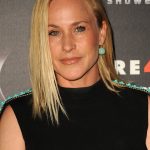


Natasha Bedingfield: Pop Optimism and Enduring Musical Impact
Natasha Bedingfield has established herself as one of the most distinctive voices in contemporary pop music, crafting an influential catalog of uplifting anthems that continue to resonate with audiences worldwide. At 42, the Grammy-nominated British singer-songwriter maintains cultural relevance through her signature blend of sophisticated pop compositions, soulful vocal delivery, and life-affirming lyrical themes that have become her artistic hallmark.
Early Years and Musical Foundations
Born Natasha Anne Bedingfield on November 26, 1981, in Haywards Heath, West Sussex, England, her formative environment proved instrumental in shaping her future artistic direction. Raised primarily in London within a deeply religious and musically inclined family, Bedingfield’s early experiences with performance came through church activities and family musical collaborations.
This spiritual foundation would later influence her lyrical approach, with themes of hope, personal empowerment, and authentic self-expression becoming consistent elements throughout her commercial work. Childhood acquaintances recall her natural musical inclinations being evident from an early age.
“Even as a young girl, Natasha had this remarkable ability to pick up melodies and harmonies intuitively,” remembered a family friend from this period. “Music wasn’t just something she did—it seemed fundamental to how she processed and expressed emotions.”
The Bedingfield household provided significant creative stimulation, particularly through the musical pursuits of her brother Daniel Bedingfield, who would achieve his own commercial breakthrough slightly before Natasha. This sibling creative energy created both inspiration and a natural competitive spirit that fueled her artistic development.
Rather than immediately pursuing music professionally, however, Bedingfield initially took a more academic path, briefly studying psychology at the University of Greenwich. This educational background would later inform her songwriting’s emotional intelligence and psychological insight—qualities that distinguished her work from more superficial pop contemporaries.
“Natasha’s psychology studies gave her songwriting this additional layer of depth,” noted a producer who worked with her during her early career. “She could articulate emotional experiences with unusual precision and universality, making her lyrics relatable across different listener demographics.”
Early Musical Explorations and The DNA Algorithm
Bedingfield’s first formal entry into the music industry came through the Christian electronic dance group The DNA Algorithm, formed with her siblings Daniel and Nikola. This experimental project, while not achieving significant commercial impact, provided crucial performance experience and industry exposure that would support her subsequent solo pursuits.
Colleagues from this period recall Bedingfield’s distinctive vocal approach already taking shape, with her ability to convey emotional authenticity while maintaining technical precision becoming evident even in these early recordings. The group’s electronic production elements would later influence her solo material’s contemporary sound beneath its pop structures.
“Even in those early group recordings, Natasha’s voice had this quality that demanded attention,” recalled a recording engineer who worked with The DNA Algorithm. “There was both technical skill and emotional presence—this combination of control and authentic expression that’s actually quite rare, especially in dance-oriented music.”
This period also saw Bedingfield develop significant songwriting capabilities, crafting material that balanced commercial accessibility with personal meaning. This dual focus would become a defining characteristic of her later solo work, allowing her to achieve mainstream success without sacrificing artistic integrity.
Solo Breakthrough and International Impact
Bedingfield’s transition to solo artist came when she signed with BMG Records, leading to the creation of her debut album “Unwritten.” Released in September 2004, the project represented a carefully crafted introduction that balanced commercial pop sensibilities with authentic personal expression. The album’s lead singles “Single” and “These Words” achieved immediate chart success in the UK, establishing her distinct artistic voice.
It was the title track “Unwritten,” however, that would become Bedingfield’s signature song and create her most significant cultural impact. The track’s inspirational message of personal potential and unwritten destiny resonated across age groups and national boundaries, becoming particularly embraced in the American market where it achieved platinum certification.
“‘Unwritten’ connected in this extraordinary way because it expressed universal human aspiration without cynicism or cliché,” explained a music journalist who covered its rise. “The song captured that tension between acknowledging life’s blankness and celebrating the possibility that creates. It somehow managed to be both emotionally intelligent and instantly catchy—a combination that gave it unusual cultural staying power.”
This breakthrough resulted in multiple award nominations, including a Grammy nomination for Best Female Pop Vocal Performance, and established Bedingfield as a significant commercial force in both European and North American markets. Music industry observers noted her unusual ability to achieve transatlantic success at a time when few British artists were making significant American impact.
“Natasha emerged at this moment when British female pop artists weren’t having consistent success in America,” noted a music industry analyst. “Her ability to connect with US audiences without diluting her distinctly British identity created this interesting cultural bridge that distinguished her from contemporaries who often seemed focused exclusively on either UK or US markets.”
Artistic Evolution and Continued Success
Following her debut’s success, Bedingfield’s 2007 North American album “Pocketful of Sunshine” (released as “N.B.” with slightly different track listing in the UK) further developed her artistic parameters while maintaining the inspirational core that had connected with audiences. The title track became another signature hit, particularly in the American market where it achieved greater success than in Bedingfield’s native UK.
Music critics noted the project’s expanded sonic palette and thematic depth, with Bedingfield incorporating more R&B influences while exploring greater emotional range in her lyrical approach. “What distinguished ‘Pocketful of Sunshine’ from typical sophomore efforts was how it expanded her artistic vocabulary without abandoning the optimistic essence that made her initially successful,” wrote a prominent music critic. “The production became more sophisticated and the emotional palette broader, but the fundamental warmth and authenticity remained intact.”
This period also saw Bedingfield establish herself as a distinctive live performer, with concert reviewers consistently highlighting the soulful quality she brought to stage presentations. Unlike many pop vocalists reliant on production techniques, her performances emphasized genuine vocal ability and emotional connection with audiences.
“Natasha’s live shows revealed the soul singer beneath the pop production,” observed a concert promoter who worked on several of her tours. “She had this ability to strip songs back to their essence and deliver them with a raw emotional quality that sometimes surprised audiences expecting a more manufactured pop experience.”
Collaborations and Musical Versatility
Throughout her career evolution, Bedingfield has demonstrated remarkable versatility through collaborations spanning multiple genres. Notable partnerships have included work with hip-hop artists like Sean Kingston (“Love Like This”), electronic producers such as Nicki Romero (“The Way I See You”), and pop contemporaries including Bruno Mars, with whom she toured as a supporting act.
These diverse collaborations have showcased Bedingfield’s adaptability while maintaining her distinctive vocal identity across different musical contexts. Industry producers note her technical adaptability combined with consistent artistic perspective.
“What makes Natasha such an effective collaborator is her ability to bring her signature vocal quality and emotional authenticity to any production style,” explained a producer who worked with her on collaborative projects. “She can step into different genre environments without losing her essential artistic identity, which is actually much harder than it might appear.”
This collaborative approach extended to songwriting, with Bedingfield participating in writing camps and co-writing sessions with various artists beyond her own recording projects. These experiences expanded her compositional range while allowing her to influence contemporary pop beyond her own releases.
Cultural Impact and Media Utilization
Beyond traditional music success, Bedingfield’s work has achieved remarkable cultural penetration through media placement and synchronization. Her songs—particularly “Unwritten”—have been featured prominently in films, television programs, and commercials, creating multiple points of audience connection beyond radio airplay and streaming.
The selection of “Unwritten” as the theme song for MTV’s reality series “The Hills” proved particularly significant in cementing the song’s cultural position in American media. This placement introduced Bedingfield’s music to demographic groups who might not have encountered it through traditional music channels.
“The integration of ‘Unwritten’ into ‘The Hills’ created this fascinating cultural loop,” observed a media analyst specializing in music placement. “The song’s optimistic message about unwritten potential perfectly matched the show’s aspirational young adult narrative, while simultaneously introducing Bedingfield to an entire generation of viewers who then sought out her broader catalog.”
This media integration extended to film soundtracks, advertising campaigns, and various television appearances that maintained Bedingfield’s cultural visibility even during periods between album releases. Marketing executives note the unusual compatibility between her music and visual media.
“Natasha’s songs have this rare quality of enhancing visual storytelling without overwhelming it,” explained an entertainment marketing specialist. “The emotional directness and universal themes in her lyrics make her work particularly effective in contexts where music needs to support narrative without distracting from it.”
Personal Life and Philanthropic Engagement
While maintaining reasonable privacy around her personal life, Bedingfield has shared significant milestones with her audience, including her 2009 marriage to businessman Matt Robinson and the birth of their son Solomon in 2017. Friends describe her approach to balancing public career and private life as thoughtful and deliberate.
“Natasha has always been very clear about sharing certain aspects of her life while protecting others,” noted a longtime friend. “There’s an authenticity to how she navigates being both a public figure and a private person—she connects genuinely with her audience without feeling obligated to make every aspect of her life available for consumption.”
This balanced approach extends to her social media presence, where Bedingfield shares professional updates and selected personal insights while maintaining boundaries around family life. Media analysts note this approach represents an increasingly unusual middle path in an era of either extreme disclosure or complete privacy.
Complementing her musical career, Bedingfield has maintained consistent philanthropic engagement, particularly focusing on organizations addressing global poverty, children’s welfare, and HIV/AIDS research and treatment. Her approach to these causes reflects genuine commitment rather than superficial celebrity endorsement.
“What distinguishes Natasha’s charity work is how she approaches it with the same thoughtfulness evident in her music,” explained a nonprofit executive who has worked with her. “She takes time to understand the actual challenges facing organizations, visits projects personally, and uses her platform to address systemic issues rather than just providing momentary visibility.”
This authentic engagement mirrors the values expressed in her music, creating coherence between artistic expression and personal action that resonates with her audience. Rather than compartmentalizing her philanthropic work from her artistic identity, she has integrated these aspects of her public presence.
Vocal Style and Musical Identity
Throughout her career evolution, Bedingfield’s most consistent defining characteristic has remained her distinctive vocal delivery, which combines technical precision with emotional expressiveness. Vocal coaches note the technical elements that create her immediately recognizable sound.
“Natasha’s vocal signature comes from several elements working together,” explained a vocal instructor familiar with her technique. “There’s her precise pitch control and clear tone, combined with this ability to add subtle soul inflections without overembellishing. She also has exceptional breath control that allows for both power and nuance, creating this immediately identifiable sound that works across different production styles.”
This vocal approach, combined with her characteristically optimistic lyrical themes, has created a coherent artistic identity despite evolving production aesthetics across different album cycles. Unlike artists who radically reinvent their sound between projects, Bedingfield has maintained core artistic continuity while incorporating contemporary elements.
“What’s impressive about Natasha’s catalog is how it holds together conceptually across different eras and production approaches,” noted a music historian. “From her early 2000s breakthrough to more recent work, there’s a consistent artistic perspective—optimistic but not naive, emotionally authentic but not self-indulgent, accessible but not simplistic. That consistency explains why earlier hits like ‘Unwritten’ continue to resonate alongside newer material.”
Navigating Industry Evolution
Bedingfield’s career has spanned significant music industry transformation, from the physical album era of her breakthrough to contemporary streaming paradigms. Industry observers note her adaptive approach to these changes while maintaining artistic integrity through different business models.
“What’s distinguished Natasha’s navigation of industry changes is her focus on creating durable songs rather than momentary trends,” observed a digital music executive. “While many artists from her breakthrough era struggled with the transition to streaming, her emphasis on emotionally resonant material with strong melodic hooks has allowed her catalog to maintain relevance across different consumption models.”
This adaptability extends to her approach to touring and performance, with Bedingfield adjusting her live presentation to diverse contexts ranging from major festival appearances to intimate acoustic sets. Performance directors note her versatility in different staging environments.
“Natasha has this rare ability to scale her performance energy appropriately for different contexts,” explained a tour director who has worked with her. “She can deliver a full production arena show with all the necessary spectacle, then strip everything back for an acoustic performance that feels equally authentic. That adaptability has been crucial to sustaining live performance opportunities through industry changes.”
Recent Projects and Current Focus
After a period of reduced recording activity following the birth of her son, Bedingfield returned with her 2019 album “Roll With Me,” which received positive critical response for maintaining her signature optimism while incorporating contemporary production elements. The project demonstrated both artistic continuity and willingness to evolve sonically.
“‘Roll With Me’ showcased Natasha’s ability to incorporate current production trends without sacrificing her essential artistic identity,” noted a music critic reviewing the release. “Working with producer Linda Perry brought fresh sonic elements while still centering the emotional authenticity and melodic strength that have always defined her work.”
Beyond traditional album releases, Bedingfield has embraced new content formats including soundtrack contributions, featured appearances on other artists’ projects, and direct engagement with her audience through social media. These diverse approaches have maintained her cultural presence while accommodating the changing realities of music consumption.
Recent years have also seen increased recognition of Bedingfield’s influence on contemporary pop, with numerous younger artists citing her as a formative influence. Music historians note her role in establishing a template for emotionally intelligent pop that maintains commercial viability without sacrificing depth.
“Listening to many of today’s pop singer-songwriters, you can hear Natasha’s DNA in how they balance accessibility with authentic expression,” observed a pop music historian. “She helped demonstrate that mainstream pop could be both commercially successful and emotionally substantive—a perspective that’s now more widely accepted but was less common during her breakthrough period.”
Legacy and Cultural Significance
As Bedingfield’s career continues evolving, cultural commentators have increasingly recognized several key aspects of her significance beyond commercial metrics:
First, her role in creating inspirational pop that resonates across demographic boundaries. “Natasha developed this distinct approach to uplifting pop that avoided both saccharine simplicity and cynical calculation,” noted a cultural critic. “Songs like ‘Unwritten’ and ‘Pocketful of Sunshine’ created genuine emotional uplift through craft rather than formula—a quality that explains their continued cultural presence years after release.”
Second, her contribution to expanding the emotional range considered viable in commercial pop. “Bedingfield’s work demonstrated that mainstream pop could explore nuanced emotional territory while maintaining commercial appeal,” explained a music industry analyst. “Her songs often contained more sophisticated psychological perspectives than contemporary pop typically accommodated, helping expand what major labels considered marketable.”
Third, her establishment of a sustainable artistic identity in an industry often focused on novelty. “What’s remarkable about Natasha’s career longevity is how it’s built on artistic consistency rather than reinvention,” observed a music business professor. “Unlike artists who maintain relevance through dramatic transformations, she’s created sustained connection through reliable artistic quality and consistent perspective—an approach that creates unusually durable audience relationships.”
Perspective and Artistic Philosophy
Throughout her multifaceted career, Bedingfield has maintained a perspective characterized by genuine optimism balanced with emotional intelligence—an approach evident in both her music and public statements. Interviews consistently reveal her commitment to creating work that offers authentic emotional uplift rather than superficial positivity.
“What’s always been striking about Natasha’s approach is her understanding that genuine optimism isn’t about denying difficulty, but about finding meaning within it,” noted a journalist who has conducted multiple interviews throughout her career. “Her music acknowledges struggle while offering genuine possibility—a more sophisticated perspective than the shallow positivity often found in pop music.”
This philosophical approach has created unusual depth in an entertainment genre often characterized by more superficial emotional expression. By integrating authentic life perspective into accessible pop structures, Bedingfield has maintained both commercial viability and artistic credibility throughout her career evolution.
As she continues balancing creative pursuits with family life and selective public engagement, Natasha Bedingfield stands as a distinctive voice in contemporary pop—an artist whose work provides both immediate pleasure and lasting emotional resonance, maintaining cultural relevance through genuine connection rather than calculated reinvention.