
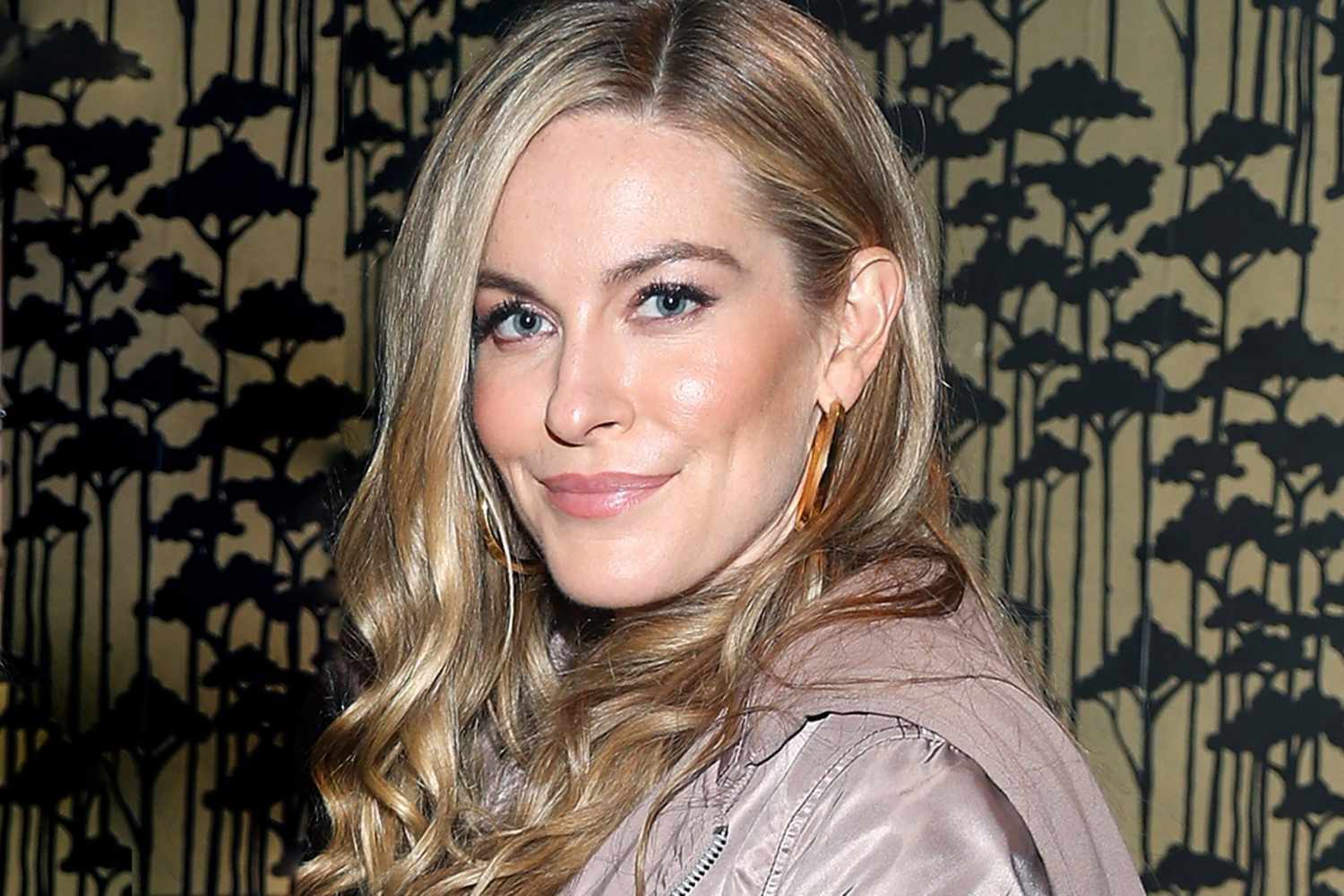






Leah McSweeney: Fashion Entrepreneur, Reality Television Personality and Wellness Advocate
Leah McSweeney has distinguished herself as a multidimensional creative force whose influence spans fashion, entertainment, and advocacy spaces. Rising from streetwear pioneer to reality television standout, the New York native has consistently defied conventional categorization through her boundary-pushing approach to business, media representation, and cultural commentary.
Early Life and Urban Foundations
Born in New York City in 1982, McSweeney was raised amid the distinctive cultural landscape of Manhattan’s downtown scene, an environment that would later influence her aesthetic sensibilities and entrepreneurial vision. Her formative years were shaped by the city’s dynamic contrasts—simultaneously experiencing structured Catholic school education while absorbing the raw creative energy of New York’s street culture during its pivotal pre-gentrification era.
This duality created an unusual perspective that would eventually inform McSweeney’s business approach. Though she briefly attended the Fashion Institute of Technology, her education came primarily through immersion in New York’s downtown social circles during the early 2000s, where she observed firsthand the emerging intersection of streetwear, high fashion, and celebrity culture that would soon transform the industry.
“Growing up in New York gives you this natural bullshit detector,” McSweeney explained in an interview with Paper Magazine. “You’re constantly surrounded by people trying to create personas and movements, so you develop this instinct for what’s authentic versus what’s just marketing. That awareness became the foundation for everything I’ve built.”
This early cultural immersion was not without challenges, as McSweeney has candidly discussed her teenage rebellions and subsequent struggles with substance use—experiences that would later inform both her business philosophy and public advocacy work. These difficulties ultimately proved formative, providing personal insight into rehabilitation processes and recovery communities that would later distinguish her public voice from typical lifestyle personalities.
Entrepreneurial Vision and Brand Development
McSweeney’s introduction to entrepreneurship came through an unlikely path when a 2004 legal settlement provided seed capital for her business ambitions. Rather than pursuing conventional investment strategies, she identified a significant gap in the market: streetwear designed specifically for women during an era when the category remained overwhelmingly masculine despite growing female participation in street culture.
This insight led to the creation of Married to the Mob (MTTM), a pioneering female-focused streetwear brand that deliberately challenged gender assumptions within urban fashion. Unlike brands that simply offered feminized versions of male designs, MTTM developed distinctive messaging and aesthetic approaches specifically addressing women’s experiences within street culture—often incorporating unapologetically provocative feminist commentary.
“When I started Married to the Mob, the entire streetwear industry was designed by men, marketed by men, and ultimately for men, even when they claimed to make women’s products,” McSweeney told Business of Fashion. “Nobody was creating authentic streetwear from a female perspective. The few women’s lines that existed were basically just making pink versions of men’s designs rather than understanding how women actually participate in street culture.”
This distinctive positioning allowed MTTM to secure distribution in influential retailers including Urban Outfitters and establish collaborations with major brands like Nike, Colette, and MCM during streetwear’s transition from niche market to global influence. The brand’s provocative graphic t-shirts featuring slogans like “Supreme Bitch” became particularly iconic, eventually leading to highly publicized legal challenges from industry giant Supreme that further cemented McSweeney’s reputation as an industry disruptor.
Media Presence and Cultural Commentary
Prior to her reality television breakthrough, McSweeney established herself as a distinctive voice in digital media and cultural commentary. Her contributions to publications including Hypebeast and Complex demonstrated unusual versatility, addressing topics ranging from fashion industry dynamics to nightlife culture and women’s experiences in male-dominated creative spaces. This work reflected her ability to bridge authentic street credibility with analytical business understanding—a combination rarely found in fashion commentary.
Her 2018 appearance on the popular podcast “Improper Etiquette,” which she later co-hosted, further expanded her platform beyond fashion audiences. The show’s candid discussions of relationships, parenting, and contemporary feminism revealed McSweeney’s natural communication abilities and willingness to address controversial topics without the calculated restraint typical of fashion entrepreneurs protecting brand relationships.
“Leah brought this unusual combination of street credibility and articulate cultural analysis that was completely refreshing,” noted a media executive who worked with her during this period. “She could break down complex social dynamics—whether about fashion, gender politics, or New York’s changing culture—with exceptional clarity while never losing the directness that made her authentic.”
This distinctive voice created the foundation for broader media opportunities while simultaneously distinguishing McSweeney from the typical reality television personality—she entered that arena already established as a legitimate cultural entrepreneur rather than seeking business opportunities through newfound visibility.
Reality Television Integration and Authentic Representation
McSweeney’s introduction to mainstream recognition came through her addition to Bravo’s The Real Housewives of New York City for its twelfth season in 2020. Her casting represented the franchise’s acknowledgment of generational shifts within the city’s social landscape, bringing a distinctly downtown perspective to a show previously dominated by Upper East Side sensibilities.
What distinguished McSweeney from typical reality television personalities was her unwillingness to construct an aspirational facade for cameras. Instead, she brought unprecedented authenticity regarding challenges including sobriety maintenance, mental health management, and the complexities of modern parenting—topics often sanitized in reality formats focused on lifestyle promotion rather than genuine human experience.
“When most people join these shows, they’re either completely filtering themselves or performing an exaggerated version of themselves,” observed a television critic from Vulture. “Leah instead brought this radical authenticity about everything from her bipolar II diagnosis to her sobriety journey to her unconventional parenting approaches. That transparency felt revolutionary within a format that typically showcases carefully curated lifestyles.”
This approach resonated particularly with younger viewers who had previously dismissed the franchise as irrelevant to contemporary concerns. McSweeney’s willingness to address generational differences directly, whether regarding sexuality, social justice engagement, or digital communication norms, created compelling narrative tensions that revitalized a series struggling with cultural relevance after twelve seasons.
Her distinctive contributions were acknowledged through a 2021 MTV Movie & TV Awards nomination for “Breakthrough Social Media Star,” recognizing how her presence significantly expanded the show’s digital engagement metrics and attracted previously untapped audience demographics. This impact solidified her position within the franchise while demonstrating the value of authentic representation beyond traditional casting considerations.
Sobriety Advocacy and Mental Health Transparency
Perhaps McSweeney’s most significant cultural contribution has been her candid documentation of sobriety maintenance and mental health management in environments typically associated with substance use and image perfection. Unlike many public figures who discuss these topics only in retrospect from positions of complete recovery, she has shared the active, ongoing nature of these processes—including discussing relapses, medication adjustments, and therapeutic interventions with unprecedented transparency.
This approach has provided valuable representation for viewers navigating similar challenges, particularly those who don’t identify with conventional recovery narratives that dominate media representations. McSweeney’s willingness to acknowledge the non-linear nature of mental health management and sobriety processes has created space for more nuanced public conversations about these complex experiences.
“What makes Leah’s advocacy particularly powerful is that she’s not presenting herself as someone who has ‘solved’ these challenges,” explained a mental health professional who has analyzed reality television representations. “She’s showing what it actually looks like to actively maintain sobriety and manage conditions like bipolar II while living a high-pressure, public-facing life. That ongoing representation is extremely rare and incredibly valuable for destigmatization.”
Her 2021 memoir, Chaos Theory: Finding Meaning in the Madness, One Bad Decision at a Time, further developed these themes through detailed exploration of her personal journey. Unlike typical celebrity memoirs that often sanitize difficult experiences, the book provided unflinching examination of substance use, legal troubles, relationship challenges, and entrepreneurial failures alongside successes—creating a comprehensive portrait of resilience without resorting to simplistic inspiration narratives.
Parenting Philosophy and Generational Bridge
McSweeney’s approach to parenting her daughter, Kier (born 2007), has emerged as another distinctive element of her public identity. Her co-parenting relationship with Rob Cristofaro (Kier’s father and founder of streetwear brand Alife) represents an unconventional but functional modern family arrangement that challenges traditional assumptions—they maintain separate residences while participating actively in their daughter’s life and making major decisions collaboratively.
This arrangement reflects McSweeney’s broader willingness to develop personalized solutions rather than conforming to conventional expectations—a philosophy that extends to her parenting style, which balances protective boundaries with age-appropriate transparency about complex realities including substance use, mental health, and relationship dynamics.
“Leah’s approach to motherhood reflects a generational shift that’s rarely represented in mainstream media,” observed a family therapist familiar with her public discussions. “She’s modeling how millennials are redefining parenting by integrating genuine honesty about life’s complexities with strong protective instincts. It’s neither the permissiveness stereotypically associated with younger parents nor the authoritarian approach of previous generations.”
This balanced perspective has made McSweeney an unusual bridge between generations—simultaneously able to connect with Gen Z through her comfort with contemporary social issues while maintaining credibility with older audiences through her emphasis on responsibility and accountability. This positioning has proven valuable for brands seeking to navigate rapidly shifting cultural landscapes without alienating established consumer bases.
Business Expansion and Media Evolution
While maintaining Married to the Mob as her core business, McSweeney has strategically expanded her entrepreneurial portfolio through carefully selected partnerships and content initiatives. Unlike many reality personalities who immediately pursue scattered licensing opportunities, she has maintained focus on projects aligned with her established brand identity and personal experiences.
Her podcast ventures, including “Improper Etiquette” and contributions to Radio Andy’s network, have provided platforms for exploring subjects ranging from fashion industry dynamics to recovery communities and women’s entrepreneurship. These projects demonstrate sophisticated understanding of how audio formats can develop deeper audience connections than visual media alone—particularly for discussions requiring nuance beyond television’s editing constraints.
In the fashion space, McSweeney has secured collaborations with established brands including Reebok while maintaining MTTM’s distinctive voice rather than diluting its positioning for mainstream accessibility. This disciplined approach reflects her long-term business perspective—prioritizing brand consistency over immediate revenue opportunities that might compromise future positioning.
“What differentiates Leah from many entrepreneurs who gain television platforms is her understanding that sustainable business growth requires patience and strategic restraint,” noted a fashion industry executive familiar with her operations. “She’s been extremely selective about partnerships, rejecting opportunities that might generate immediate revenue but create brand confusion long-term.”
Physical Presence and Aesthetic Evolution
At 5’7″ with a distinctive presence refined through years in fashion environments, McSweeney physically embodies the urban sophistication that characterizes her brand. Unlike many public figures who maintain rigid image consistency, she has allowed her aesthetic to evolve publicly—moving from streetwear-dominated styling toward a more eclectic approach that integrates high fashion elements while maintaining authentic downtown sensibilities.
This evolution reflects McSweeney’s comfort with personal reinvention, a quality that distinguishes her from personalities who become visually trapped in the identities that initially brought them recognition. Her willingness to document cosmetic procedures with characteristic transparency similarly challenges conventional expectations around aging and authenticity in public-facing industries.
“Leah’s approach to appearance is refreshingly matter-of-fact in an industry obsessed with both youth and the denial of interventions to maintain it,” observed a beauty editor who has analyzed reality television aesthetics. “She’s neither apologizing for cosmetic choices nor pretending they don’t exist—that radical honesty about beauty standards is quite revolutionary for television formats typically built on aspirational fantasy.”
This balanced perspective extends to her approach to physical wellness, which emphasizes sustainable practices including boxing training and mindful nutrition while openly acknowledging the psychological complexities surrounding body image—particularly for women navigating recovery communities where substitution behaviors can sometimes emerge.
Current Positioning and Future Trajectory
While many reality television participants struggle to maintain relevance beyond their program associations, McSweeney has demonstrated remarkable skill in integrating media visibility with her established entrepreneurial identity. Industry observers attribute this success to her authentic engagement with audiences, strategic business development, and willingness to address substantive topics rarely explored in lifestyle-focused formats.
Looking ahead, several potential growth avenues appear promising as McSweeney continues expanding her influence. Her established credibility in multiple spaces—fashion, recovery advocacy, parenting, and media—provides foundation for potential ventures including wellness programming, expanded publishing projects, or specialized consulting services bridging cultural understanding between traditional corporations and contemporary consumers.
“What’s particularly interesting about Leah’s trajectory is that reality television has functioned as an accelerant for ventures she was already developing rather than defining her direction,” noted a brand strategist familiar with influencer evolution patterns. “She’s using the platform to amplify her authentic voice rather than constructing a persona based on audience feedback—that distinction creates substantially more sustainable opportunities.”
Impact and Cultural Significance
Perhaps most significant about Leah McSweeney’s continuing evolution is her distinctive approach to contemporary female entrepreneurship. By maintaining unwavering authenticity while navigating multiple professional spheres, documenting personal challenges without self-exploitation, and balancing commercial success with meaningful advocacy, she represents an emerging model for integrating business ambition with substantive cultural contribution.
At 41, with an established fashion brand, expanding media presence, and growing influence in mental health conversations, Leah McSweeney has positioned herself as a cultural figure worth following—not simply for entertainment value, but for her ability to bridge disparate worlds including streetwear and traditional media, downtown sensibilities and mainstream visibility, entrepreneurial ambition and authentic vulnerability.
Her journey from downtown entrepreneur to multi-platform influence demonstrates both the evolving opportunities available to distinctive female voices and the extraordinary adaptability required to maintain authentic presence across rapidly shifting media landscapes—a balancing act few manage to execute successfully while preserving their fundamental identity and values.