
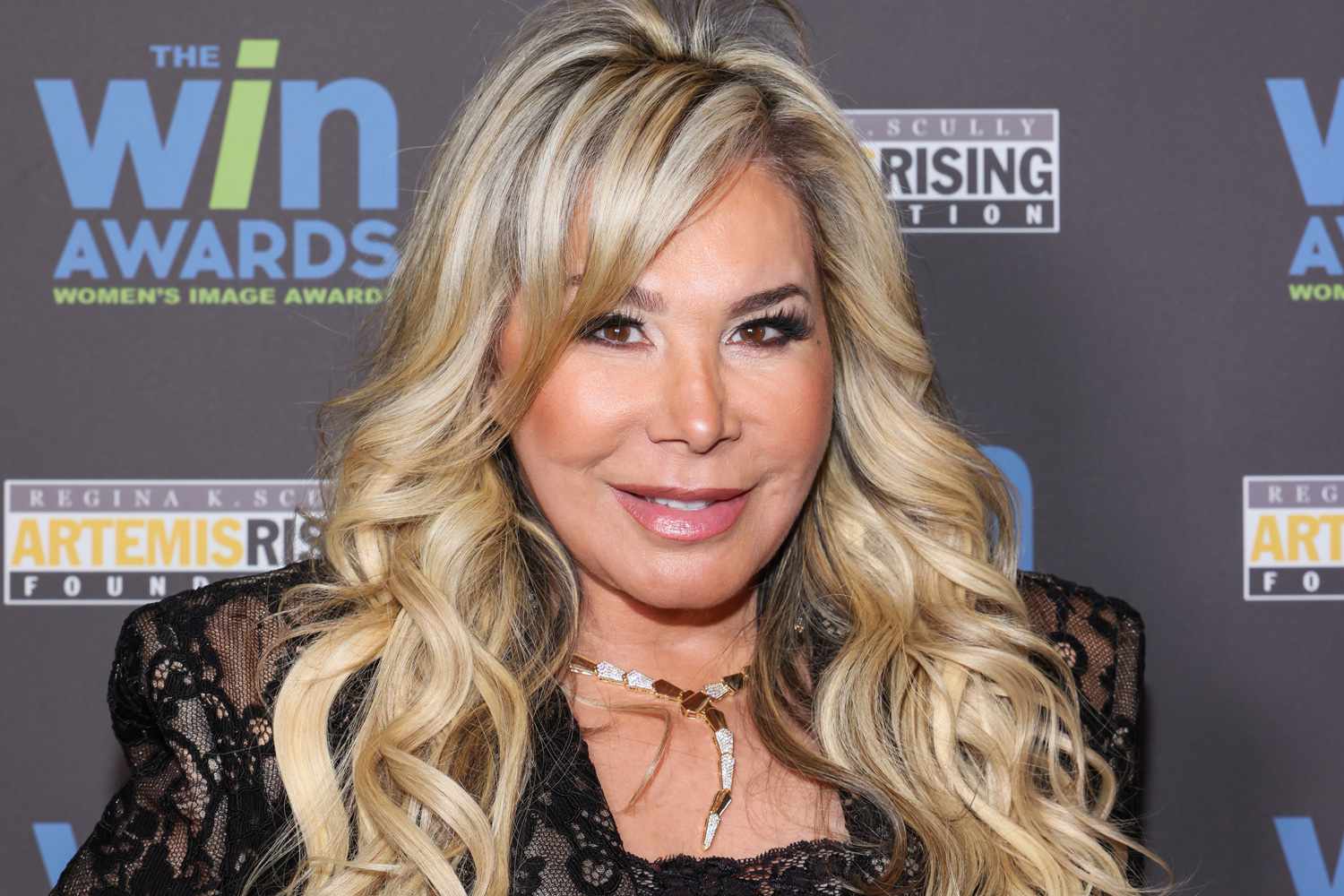






Adrienne Maloof: Business Mogul, Reality Television Personality and Philanthropic Force
Adrienne Maloof has established herself as a unique figure at the intersection of dynastic wealth, entrepreneurial vision, and strategic media presence. Leveraging her position within one of America’s most significant private business empires while simultaneously developing independent ventures, she has navigated multiple industries with a distinctive blend of inherited business acumen and personal brand development that transcends typical reality television trajectories.
Early Life and Family Dynasty
Born in Albuquerque, New Mexico in 1961, Maloof was raised within the framework of one of America’s most successful Lebanese-American business dynasties. The Maloof family’s diverse business portfolio—spanning hospitality, beverage distribution, sports franchises, and entertainment properties—provided an unusual education in multi-industry operations from her earliest years. This immersion in complex business dynamics created foundation for Maloof’s later ability to move fluidly between various sectors rather than specializing in a single industry.
Despite access to substantial family resources, Maloof’s parents emphasized educational achievement and personal merit, resulting in her earning a political science degree from the University of New Mexico on a full tennis scholarship. This athletic accomplishment reflected both natural talent and disciplined training—qualities that would later characterize her business approach and distinguish her from peers who inherited positions without demonstrating individual capability.
“Growing up in the Maloof family meant understanding that our name opened doors, but personal performance determined whether those doors stayed open,” Maloof explained in a rare reflective interview. “My parents were extraordinarily clear that being born into privilege created responsibility rather than entitlement. That perspective fundamentally shaped how I approach both business and public visibility.”
This foundational philosophy explains Maloof’s characteristic blend of luxury lifestyle and pragmatic business focus—a combination that would later distinguish her reality television presence from cast members who emphasized either wealth display or career ambition rather than integrating both dimensions.
Business Development and Strategic Expertise
Following her university education, Maloof integrated into the family business structure through marketing and promotional roles that leveraged both her educational background and natural interpersonal abilities. Unlike many heirs who receive ceremonial titles without substantive responsibilities, she developed genuine expertise in event production, strategic partnerships, and brand development that generated measurable value across various Maloof properties.
Her contributions proved particularly significant during the family’s expansion into Las Vegas hospitality through the development and positioning of the Palms Casino Resort, which opened in 2001. The property’s distinctive fusion of nightlife energy with luxury accommodation required nuanced marketing to attract both entertainment industry figures and affluent tourists—a balance Maloof helped architect through targeted event programming and celebrity relationship cultivation.
“Adrienne brought unusual sophistication to understanding how different audience segments could coexist within luxury environments without compromising either experience,” noted a hospitality executive who worked with the Maloof organization during this period. “She recognized earlier than most that contemporary luxury was evolving beyond traditional formality toward experiential diversity, which proved crucial to the Palms’ initial positioning.”
Similarly, during the family’s ownership of the Sacramento Kings NBA franchise (1998-2013), Maloof applied her marketing expertise to audience development initiatives that increased female attendance and family participation—demographic expansions that substantially impacted revenue diversification beyond traditional sports marketing demographics. These contributions demonstrated her ability to identify untapped potential within established business models rather than simply maintaining existing operational approaches.
While many of Maloof’s business contributions occurred within privately-held family ventures that limit public documentation, industry observers consistently note her particular expertise in identifying partnership opportunities across seemingly unrelated sectors. This talent for cross-industry connection later informed her independent ventures and distinguished her business commentary during her television tenure.
Independent Ventures and Brand Extensions
Beyond her contributions to family enterprises, Maloof has consistently developed independent business initiatives that leverage her name recognition while exploring categories aligned with her personal interests. Unlike many celebrity entrepreneurs who merely license their names to existing products, she has maintained active operational involvement in ventures including beverage development, skincare formulation, and fashion accessories.
Perhaps most successful among these independent projects was Maloof’s development of Adrienne Maloof by Charles Jourdan shoes, which strategically positioned luxury footwear at accessible price points through careful production partnerships and distribution strategies. This venture demonstrated sophisticated understanding of the growing “affordable luxury” category that has subsequently dominated fashion retail evolution.
Her beverage industry ventures, including Zing Vodka and later wine projects, reflected understanding of how celebrity association can accelerate brand development in crowded categories—particularly when the personality’s authentic lifestyle aligns with product positioning. Unlike many celebrity-associated spirits that quickly disappear from market, Maloof’s projects achieved respectable distribution through strategic industry partnerships before eventual consolidation.
“What distinguishes Adrienne’s approach to product development is her realistic assessment of her own value-add,” explained a consumer products executive familiar with several of her ventures. “She doesn’t pretend to be a master distiller or formulation chemist, but instead focuses on her legitimate strengths in identifying market opportunities, creating authentic brand stories, and leveraging her network for distribution access.”
This self-awareness regarding her specific expertise rather than overestimating her technical knowledge has protected Maloof from the high-profile product failures that often characterize celebrity business ventures, allowing sustained credibility across multiple categories despite the inevitable varying success levels of specific initiatives.
Television Integration and Public Persona
Maloof’s introduction to mainstream recognition beyond business circles came through her participation in the inaugural seasons of Bravo’s The Real Housewives of Beverly Hills beginning in 2010. Her decision to join the emerging franchise represented strategic understanding of how reality television was evolving beyond simple entertainment toward powerful personal brand platforms with substantial business leverage potential.
Unlike many cast members who entered with primary focus on fame acquisition, Maloof approached the opportunity with clear business objectives—using the platform to increase visibility for various ventures while establishing herself as the rare reality personality with legitimate business credentials. This intention manifested in her characteristic camera presence, which balanced lifestyle display with substantive business discussions rarely featured in the format.
“What made Adrienne unusual within the early Housewives ecosystem was her comfort discussing actual business operations rather than merely showcasing wealth results,” observed a television producer associated with the franchise. “While many cast members might mention business ownership, she could genuinely explain strategic decisions, operational challenges, and market positioning in ways that demonstrated authentic expertise.”
This distinctive element created natural narrative separation from cast members focused primarily on personal drama, establishing Maloof as the rational, business-oriented contrast within the ensemble. Her Beverly Hills mansion (later sold to singer Britney Spears) certainly showcased substantial wealth, but her discussions consistently returned to work ethic, strategic thinking, and business fundamentals rather than simply displaying acquisition power.
After three seasons, Maloof made the calculated decision to exit the series in 2013—a move reflecting both personal circumstances surrounding her divorce from plastic surgeon Paul Nassif and strategic recognition that her brand equity had been sufficiently established for independent development without ongoing exposure to increasingly controversial content directions.
Philanthropic Commitments and Community Impact
Complementing her business activities, Maloof has maintained substantial philanthropic commitments focused particularly on children’s health initiatives, medical research funding, and community support organizations in regions connected to family business operations. Unlike celebrity charity involvements that often remain ceremonial, her approach typically includes both financial support and strategic guidance that leverages her business expertise to strengthen organizational effectiveness.
Her contributions to Children’s Hospital Los Angeles demonstrate this comprehensive approach, combining traditional donation support with event production expertise that has enhanced fundraising effectiveness. Similarly, her work with the Sacramento Kings Foundation during family ownership demonstrated understanding of how sports franchises can generate community impact beyond entertainment value through structured outreach programs.
“Adrienne approaches philanthropy with the same strategic thinking she applies to business ventures,” noted an executive from a medical foundation that has partnered with her initiatives. “She asks sophisticated questions about program measurement, efficiency ratios, and sustainability planning rather than simply writing checks for emotional satisfaction without follow-through.”
This business-informed philanthropy reflects Maloof’s integration of social responsibility within her broader professional identity rather than treating charitable work as a separate obligation. The approach aligns with her family’s multi-generational tradition of community investment in regions where they maintain business operations—a philosophy that views corporate success and community wellbeing as interconnected rather than separate considerations.
Marriage, Motherhood and Public Documentation
Maloof’s marriage to plastic surgeon Paul Nassif became an unexpected focal point during her television tenure, with their interaction dynamics generating substantial viewer interest despite her initial intention to focus primarily on business aspects of her life. Their relationship’s eventual dissolution in 2012 created additional public attention, particularly given Nassif’s subsequent emergence as a television personality through the plastic surgery-focused series Botched.
Unlike many celebrity divorces that generate prolonged public conflicts, Maloof and Nassif eventually established a functional co-parenting arrangement for their three sons after initial legal complications. This evolution toward pragmatic cooperation despite personal differences reflects Maloof’s characteristic prioritization of long-term considerations over emotional reactions—an approach consistent with her business philosophy.
Her parenting of three sons (born between 2003 and 2006) has remained largely protected from public documentation despite her media presence, reflecting deliberate boundaries regarding which aspects of her life receive amplification. This selective transparency demonstrates sophisticated understanding of public brand management that distinguishes Maloof from reality personalities who monetize all aspects of their personal experiences regardless of potential future impact.
“What’s noteworthy about Adrienne’s approach to public life is her clear delineation between brand-relevant content and private family matters,” observed a media strategist familiar with reality television personality management. “She’s maintained space for her children to develop identities independent from her public persona, which shows unusual foresight regarding long-term consequences versus short-term exposure benefits.”
Physical Presence and Aesthetic Philosophy
At 5’1″ with a meticulously maintained appearance reflecting both personal discipline and access to premium aesthetic resources, Maloof physically embodies the intersection of traditional luxury and contemporary wellness that characterizes her brand positioning. Unlike many public figures who project artificial accessibility, she comfortably occupies the aspirational space aligned with her actual socioeconomic position—a congruence that enhances her authenticity despite the substantial privilege it represents.
Her approach to self-presentation balances appreciation for traditional luxury signifiers with contemporary wellness priorities, including regular fitness training and nutrition consciousness rather than focusing exclusively on external adornment. This integrated approach to personal maintenance aligns with evolving luxury consumer values that increasingly emphasize holistic wellbeing alongside traditional status displays.
“Adrienne represents a particular California interpretation of wealth display that differs substantively from East Coast or European traditions,” noted a luxury marketing consultant who has analyzed reality television influence patterns. “She balances traditional signifiers like fine jewelry and couture with wellness priorities and active lifestyle elements in ways that resonated particularly with evolving affluent consumer segments.”
This aesthetic alignment with emerging luxury paradigms rather than solely traditional wealth signifiers has contributed significantly to Maloof’s sustained relevance despite evolving away from regular television exposure. Her personal presentation continues to provide aspirational reference for affluent consumers seeking models for balancing achievement signaling with wellness priorities.
Current Positioning and Strategic Evolution
Following her departure from regularized reality television appearance, Maloof has strategically maintained selective media presence through targeted appearances, business-focused interviews, and calculated social media activity that sustains public awareness without dependence on controversial content generation. This approach demonstrates sophisticated understanding of how minimal but strategic visibility can maintain brand equity more effectively than constant exposure.
Her business portfolio continues expanding through selective ventures including real estate investments, hospitality concepts, and consumer product development. Industry observers note her increasing focus on projects with substantial control positions rather than purely promotional partnerships—an evolution reflecting both capital accumulation and preference for operational influence rather than merely lending her name to others’ concepts.
“What’s interesting about Adrienne’s current business approach is how she’s increasingly prioritizing long-term equity building over immediate revenue generation,” commented a business manager familiar with celebrity investment patterns. “She’s focusing on categories where her expertise creates legitimate value rather than simply monetizing fame through quick endorsements, which suggests confidence in her sustainable relevance beyond entertainment visibility.”
This strategic patience distinguishes Maloof from many reality television personalities who aggressively monetize their fame through numerous short-term partnerships without cohesive brand architecture. Her selective approach reflects family business traditions emphasizing generational wealth creation rather than maximizing immediate opportunities regardless of long-term brand impact.
Impact and Legacy Considerations
Beyond her specific business achievements or television visibility, Adrienne Maloof’s most significant contribution may be her demonstration of how inherited business sophistication can successfully navigate contemporary media landscapes without compromising fundamental business principles. By maintaining operational substance beneath her public image rather than allowing media presence to become her primary identity, she has established a distinctive model for balancing entertainment visibility with business credibility.
At 62, with integrated business interests spanning multiple industries, substantial private investments, and carefully calibrated public presence, Adrienne Maloof represents an evolution of traditional business dynasty participation into contemporary personal brand architecture. Her journey from family business contributor to independent business personality demonstrates both the advantages of inherited knowledge and the necessity of personal adaptation to changing media and market environments.
This balanced integration of heritage business values with contemporary brand development offers particular relevance as generational wealth increasingly intersects with personal brand opportunities created through digital platforms and reality content formats. Maloof’s example suggests sustainable paths for leveraging inheritance advantages without becoming defined solely by family association or media characterization—a navigation increasingly relevant for business-oriented personalities in the attention economy.