

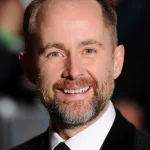





Nick Zano: Television’s Reliable Charismatic Presence
Nick Zano has established himself as one of television’s most dependable and likable supporting actors, building a career of remarkable consistency across comedy and genre programming. At 46, the New Jersey-born performer has crafted a distinctive screen persona characterized by natural charm, comedic timing, and an easygoing masculinity that makes him equally effective in sitcoms and superhero adventures. Unlike performers who pursue transformative character work or indie film credibility, Zano has embraced his strengths as a reliable ensemble player in long-running television series, creating a body of work defined by accessibility and audience rapport rather than critical prestige or artistic reinvention.
From New Jersey to Florida: Formative Years
Born in Nutley, New Jersey in 1978, Zano’s early life took a significant turn when his family relocated to Florida during his childhood. This move from the urban Northeast to the more laid-back atmosphere of the South appears to have influenced his later screen persona, which often blends Northern directness with Southern affability—a combination that has made him particularly effective in roles requiring both straight-talking honesty and likable charm.
Growing up in Wellington, Florida, Zano developed an early interest in visual storytelling, participating in both high school theater productions and, more significantly, the school’s television production program. This early exposure to the technical aspects of television proved formative, giving him insights into camera work, editing, and production processes that would later inform his approach to screen acting.
“Working on the high school TV station was probably more valuable than any formal acting training I could have received,” Zano told the Palm Beach Post during a return visit to his alma mater. “I learned how productions actually function, how to hit marks, how to work with cameras—all these technical elements that many young actors only discover once they’re already on professional sets. Understanding the mechanics of production from the beginning gave me a level of comfort with the process that’s been invaluable throughout my career.”
This practical education was supplemented by Zano’s self-directed study of film and television. Friends and teachers from this period recall his encyclopedic knowledge of movies and TV shows—a passion that went beyond casual enjoyment to include serious analysis of performance styles, directorial choices, and narrative structures. This analytical approach to entertainment media provided an informal but comprehensive education in screen acting techniques that would later inform his professional work.
“Nick wasn’t just watching movies and TV for entertainment—he was studying them,” recalled a high school friend in a local Florida newspaper feature. “He could break down performances in incredibly detailed ways, noticing subtle choices actors made and how those choices affected the overall scene. That level of attention and analysis was unusual for someone that age and suggested he was thinking about acting as a craft rather than just a path to fame.”
Los Angeles and Early Career: From MTV to Acting
Following high school, Zano made the decisive move to Los Angeles to pursue his entertainment ambitions—a transition that required significant perseverance before yielding professional opportunities. Like many young actors, his early years in Hollywood involved service industry jobs and repeated auditions, building resilience and determination that would serve him well throughout the inevitable fluctuations of a television career.
His first significant break came not through acting but as an on-camera personality for MTV, hosting Movie House—a role that capitalized on his natural charisma and extensive film knowledge. This position, while not directly aligned with his acting ambitions, provided valuable on-camera experience and industry visibility that would help facilitate his transition to scripted programming.
“The MTV job was this perfect intermediate step,” Zano explained in an interview with Men’s Health. “I was in front of cameras, working with producers and directors, learning how to be natural while hitting specific talking points—all skills directly transferable to acting. But beyond the technical experience, it also helped me get comfortable with the public aspect of this business before adding the additional pressures of character work.”
This period at MTV also introduced Zano to the realities of cultivating a public persona—experience that would inform his later approach to fame and celebrity. Colleagues from this time describe him as naturally suited to on-camera work, with an easy authenticity that made viewers feel personally connected despite the mediated nature of television. This quality—the ability to project casual sincerity through the camera—would become one of his most valuable professional assets throughout his acting career.
The transition from hosting to acting came gradually, with small guest roles in established series providing opportunities to demonstrate his capabilities in scripted contexts. These early appearances, while modest in scope, allowed Zano to develop screen comfort and establish himself as a reliable presence who could deliver consistent performances within the demanding schedule of television production.
Breakout Role: Vince in What I Like About You
Zano’s first significant acting opportunity came in 2003 when he joined the WB sitcom What I Like About You during its second season, portraying Vince, a love interest for Amanda Bynes’ character. The role represented a perfect introduction to series regular status—substantial enough to establish him with audiences but not so demanding that it required immediate mastery of sitcom technique.
What distinguished Zano in this early role was his natural approach to comedy—avoiding the broad performance style common in many young adult sitcoms in favor of a more grounded, reactive approach that provided effective counterbalance to the more energetic performances around him. This understated quality made his character particularly believable and established a performance approach that would characterize much of his subsequent work.
“Working on a multicamera sitcom is this very specific skill set that’s different from both theater and single-camera production,” Zano told TV Guide during the show’s run. “There’s the technical precision of hitting marks and finding your light while maintaining the spontaneity necessary for comedy and the heightened energy needed to engage a live audience. Finding that balance took time, but it was invaluable training for everything that came afterward.”
Beyond the technical education it provided, What I Like About You established Zano as a familiar presence for the millennial audience that would follow him throughout his career. The show’s target demographic—teenagers and young adults in the early 2000s—created a viewer base that would age alongside Zano as he transitioned to more adult-oriented programming in subsequent years, providing career continuity despite the inevitably changing nature of television trends.
Colleagues from this period note Zano’s professionalism and work ethic—qualities that would become as important to his career longevity as his on-screen appeal. In an industry where reliability and consistent performance are ultimately more valuable than occasional brilliance accompanied by difficult behavior, Zano’s reputation for punctuality, preparation, and collaborative spirit established him as someone producers and showrunners wanted to continue working with.
“What people outside the industry often don’t understand is how much television success depends on reliability,” a producer from What I Like About You observed. “When you’re producing 22 episodes a season on a tight schedule, you need actors who come prepared, hit their marks, adapt quickly to script changes, and maintain consistent energy regardless of personal circumstances. Nick established himself early on as someone who understood those professional responsibilities, which is why he’s continued working steadily when many more visibly ‘talented’ performers haven’t.”
Building a Television Career: Comedy and Character Work
Following What I Like About You, Zano methodically built his television resume through guest roles and recurring parts in a variety of programs, demonstrating versatility while maintaining the likable, accessible persona that had defined his early success. Rather than pursuing film roles or attempting to dramatically reinvent his image, he leaned into his strengths as a television performer—developing strong sitcom technique while gradually expanding his dramatic capabilities.
This period included notable appearances in series like Cougar Town, 90210, and Melrose Place—shows that allowed Zano to maintain visibility with his core audience while developing greater range and confidence as a performer. Though none of these roles represented dramatic departures from his established screen persona, they provided valuable experience in different production environments and helped him build relationships with a wider range of producers and showrunners.
A more significant step came with his recurring role in the critically acclaimed comedy Happy Endings, where he portrayed Pete, a love interest for Casey Wilson’s character Penny. Though not a series regular, this appearance in a show celebrated for its rapid-fire dialogue and dense comedic writing demonstrated Zano’s ability to hold his own in more sophisticated comedy contexts—an important evolution from his teen sitcom beginnings.
“Happy Endings represented this wonderful creative challenge,” Zano told AV Club. “The writing was so specific and rhythmically complex—much more sophisticated than most television comedy—and the main cast had this incredible rapport and timing. Stepping into that environment as a recurring character required really heightened awareness and precision. You couldn’t just rely on charm or basic sitcom technique; you had to match this very specific comedic energy while still feeling natural within it.”
This growth continued with his role as Johnny in 2 Broke Girls, where he appeared in 18 episodes across the series’ run. As Kat Dennings’ love interest, Zano further refined his ability to deliver sharp comedic dialogue while maintaining convincing romantic chemistry—a combination that would prove valuable in his later superhero work, where romantic subplots often need to be integrated with action sequences and fantastical elements.
Throughout these various comedy roles, Zano developed a consistent approach to character work that emphasized authenticity over transformation. Unlike performers who dramatically reinvent themselves for each role, he focused on finding the most natural and convincing version of characters who often shared core qualities with his own personality—an approach that prioritizes believability and audience connection over demonstrating technical range.
“I’ve always been more interested in making characters feel real than in showing how different I can be from role to role,” Zano explained to Men’s Journal. “There’s this perception sometimes that ‘real acting’ means completely transforming yourself, but there’s also tremendous value in bringing authentic human behavior to characters who might otherwise feel like plot devices or stereotypes. Finding the truth in characters who might superficially resemble each other but have different priorities, histories, and relationships—that’s a different kind of acting challenge that’s particularly important in television.”
This philosophy aligns with the realities of television production, where audiences develop long-term relationships with characters and often respond most strongly to performers who bring consistent quality rather than dramatic reinvention to their roles. By embracing this approach, Zano established himself as a television actor in the traditional sense—someone valued for reliability and audience rapport rather than transformative range.
Expanding Range: Drama and Action in Legends of Tomorrow
Zano’s career reached a new level when he joined the DC superhero series Legends of Tomorrow in its second season, portraying historian Nate Heywood, who later gains the ability to transform his body into steel. This role represented his most significant departure from pure comedy, requiring him to balance humor with dramatic moments, romantic storylines, and physically demanding action sequences.
What made Zano particularly effective in this role was his ability to ground the show’s fantastical elements in recognizable human emotion. As a series involving time travel, magical creatures, and superhuman abilities, Legends of Tomorrow required performers capable of making inherently unbelievable scenarios feel emotionally authentic—a challenge Zano met through the same naturalistic approach he had developed in comedy contexts.
“The secret to making sci-fi and fantasy work is treating the emotional stakes with absolute seriousness even when the circumstances are completely outlandish,” Zano told SyFy Wire. “If the audience believes the character is genuinely experiencing fear, love, grief, or joy, they’ll accept the time travel and superpowers as the context for those authentic emotions. That connection to recognizable human experience is what makes fantastical stories resonant rather than merely spectacular.”
This understanding helped Zano navigate the show’s unique tone, which deliberately embraced absurdity while maintaining genuine emotional investment in its characters’ journeys. As Nate Heywood, he successfully integrated comedic moments, superhero action, and surprising emotional depth—particularly in storylines involving his complex relationship with his father and his romances with fellow team members Amaya and Zari.
The role also required significant physical commitment, with Zano undertaking substantial training to portray a character who regularly engages in combat and stunts. This physical dimension represented a new professional challenge, demanding discipline and technical skills beyond those required for his previous comedy work.
“The physical aspects of Legends were definitely a learning curve,” Zano acknowledged in an interview with DC Comics’ official site. “There’s this whole technical side to action choreography—understanding how to sell impacts without making contact, how to position your body for different camera angles during fights, how to maintain consistent energy through multiple takes of physically demanding sequences. It’s almost like learning a new language, but one that’s expressed entirely through your body.”
Beyond these technical challenges, Legends of Tomorrow provided Zano with his longest-running role—appearing in over 70 episodes across five seasons. This extended character development allowed him to demonstrate greater range than his previous shorter-term roles had permitted, showing his capability for portraying significant emotional growth and complex relationships over time.
Colleagues from the series consistently praise Zano’s professionalism and collaborative approach—qualities particularly valuable in ensemble shows with demanding production schedules. Directors and fellow cast members note his reliable preparation, adaptability to script changes, and supportive presence during other performers’ emotional scenes—all attributes that contribute to successful long-term television production.
“Nick exemplifies what you want in a series regular on a show like Legends,” a producer from the series observed. “Beyond his on-camera work, he understood the practical realities of our production schedule, the physical demands of our action sequences, and the need for consistent energy regardless of which episode in the season we were shooting. That kind of professional awareness is invaluable on a show with our complexity and pace.”
Performance Style and Screen Presence
Across his various roles, Zano has developed a distinctive performance style characterized by natural charm, reactive listening, and subtle physical comedy. Unlike actors who command attention through intensity or transformative technique, he excels at creating comfortable screen presence that makes viewers feel like they’re watching someone they know personally—an approach particularly effective for television, where characters enter audiences’ homes week after week.
“There’s a deceptive casualness to Nick’s performance style,” noted a director who has worked with him on multiple projects. “He makes acting look effortless in a way that sometimes means people don’t recognize how precise his choices actually are. He has this remarkable ability to seem completely natural while hitting very specific technical marks and timing beats exactly as needed. That combination of apparent spontaneity with technical control is much harder to achieve than many people realize.”
This accessible quality extends to Zano’s physical presence on screen. Standing at 6’1″ with conventionally attractive features, he certainly possesses leading man appearance, but his performance approach tends to downplay rather than emphasize these attributes. Unlike actors who lead with physical charisma, Zano typically uses his appearance as a background element—sometimes as the basis for comic self-deprecation, other times as simple character information rather than the focus of his performance.
“What makes Nick interesting as a performer is how uninterested he seems in trading on his appearance,” observed a casting director who has worked with him multiple times. “He has the looks to play conventional romantic leads or action heroes, but he’s always more focused on finding genuine behavior and human connection than on appearing impressive or maintaining some idealized image. That creates this interesting tension sometimes between how his characters look and how they actually behave, which adds complexity to what might otherwise be standard attractive-guy roles.”
This performance philosophy extends to Zano’s approach to comedy, which tends toward reactive humor rather than joke delivery. Colleagues note his particular skill at communicating complex reactions to absurd situations—a talent especially valuable in shows like Legends of Tomorrow, where characters regularly encounter bizarre scenarios that require believable human responses to maintain audience investment.
“Nick has this extraordinary ability to make ridiculous situations feel grounded,” a writer from Legends of Tomorrow explained. “We could write the most outlandish scenario—time travel gone wrong, magical creatures running amok, whatever—and trust that his reactions would help the audience process the absurdity without breaking their connection to the story. That’s an incredibly specific skill that’s essential in genre television, where maintaining emotional truth amid fantastical circumstances is always the central challenge.”
Personal Life and Professional Boundaries
Unlike many actors who leverage personal exposure for career advancement, Zano has maintained relatively firm boundaries between his professional and private lives throughout his career. While not secretive about his long-term relationship with actress Leah Renee Cudmore, with whom he has two children, he has generally kept family matters separate from his public persona—a choice that reflects both personal preference and professional strategy.
“I’ve never quite understood the assumption that being an actor means surrendering your privacy,” Zano told Men’s Journal in a rare comment on the subject. “My job is to portray characters convincingly, not to make my own life a public narrative. Maintaining some personal boundaries actually serves the work—it allows audiences to connect with the characters without constantly filtering them through knowledge of my personal circumstances.”
This perspective has informed Zano’s selective approach to social media and press appearances, where he focuses primarily on promoting current projects rather than cultivating celebrity through personal revelation. Unlike performers who use digital platforms to develop personal brands independent of their acting work, Zano approaches public visibility primarily as a professional responsibility related to specific projects rather than as a continuous fame-maintenance exercise.
Friends and colleagues describe Zano as someone who values clear separation between work and personal life—an approach that has likely contributed to his long-term sustainability in an industry where boundary-blurring can lead to burnout or identity confusion. This compartmentalization allows him to fully engage with the demands of performance without sacrificing the private foundations necessary for emotional health and stable family life.
“What’s striking about Nick is how grounded he remains despite years in this industry,” observed a longtime colleague. “He approaches acting as a job he loves rather than as an all-consuming identity or lifestyle. That perspective keeps him connected to the real human experiences that inform good performance while preventing the kind of industry absorption that often leads to personal difficulties for actors over time.”
This balanced approach to career and personal life appears particularly important given Zano’s priorities as a father. Colleagues from recent projects note his ability to remain fully present and professional on set while maintaining clear boundaries around family time—a balance that becomes increasingly valuable as performers move from the single-minded career focus of youth to the more complex priorities of mid-life.
Career Longevity and Professional Strategy
At 46, Nick Zano has achieved something relatively rare in television—a sustained career spanning multiple decades without significant interruption or reinvention. This longevity stems not from spectacular critical acclaim or transformative performances but from consistent reliability and audience rapport across diverse projects—qualities that make him perennially valuable to television producers and showrunners.
Industry observers note that Zano’s career exemplifies a particular path through television that prioritizes steady work and incremental growth over high-risk, high-reward strategies. Rather than pursuing film stardom, critically acclaimed independent projects, or dramatic reinvention, he has focused on building solid relationships with networks and producers while gradually expanding his capabilities within the television ecosystem.
“There are basically two approaches to television careers,” explained a veteran casting director. “Some actors use TV as a stepping stone to film or prestige projects, taking big swings and accepting the associated risks. Others recognize television itself as their primary medium and build careers specifically suited to its particular demands and opportunities. Nick exemplifies this second approach—someone who understands what television values and has deliberately developed the skills and reputation that lead to sustained work in that context.”
This television-specific approach includes Zano’s comfort with the ensemble nature of most successful series. Unlike performers who require central focus or star billing, he has demonstrated consistent effectiveness as a supporting player who enhances rather than dominates productions—a quality particularly valuable in long-running shows where chemistry and balanced screen time contribute significantly to overall success.
“What makes someone like Nick so valuable in television is his ability to serve the show rather than himself,” noted a showrunner who has worked with him. “He understands that television is fundamentally collaborative and that his performance needs to fit within a larger ecosystem rather than standing alone. That awareness—knowing when to step forward and when to support others—is essential for ensemble shows but surprisingly rare among actors trained to fight for attention and screen time.”
This collaborative mindset extends to Zano’s relationship with writers and producers, where colleagues consistently mention his willingness to adapt to script changes, incorporate notes, and trust the overall vision of a series rather than advocating exclusively for his own character or performance. This flexibility makes him particularly valuable in television contexts where production realities often necessitate last-minute adjustments that require performer cooperation.
“In television, plans constantly change based on everything from network notes to actor availability to budget constraints,” explained a producer from one of Zano’s recent shows. “Actors who need everything to remain exactly as originally conceived become liabilities in that environment. Nick has always understood that television requires adaptation, and his willingness to work with changes rather than resist them has been a significant factor in his continued employability across different shows and networks.”
Current Position and Future Prospects
Following his extended run on Legends of Tomorrow, Zano has continued his television career with selective projects that build on his established strengths while potentially expanding his range. His recent work on shows like Magnum P.I. demonstrates his continued value as a reliable television presence while suggesting potential evolution toward more mature character types as he moves further into his forties.
Industry observers anticipate that Zano’s career will likely follow the trajectory of other television veterans who transition from youthful romantic roles to more established character types—a natural evolution that allows performers to maintain consistent work throughout different life stages. His particular combination of likable presence, comedic timing, and dramatic capability positions him well for continued television work in both comedy and genre contexts.
“What’s interesting about actors like Nick is how they can actually become more valuable as they age,” observed a veteran television producer. “The industry has plenty of eager twenty-somethings, but finding performers in their forties and fifties who understand television technique, maintain professional reliability, and connect easily with audiences—that’s actually a much smaller pool. Actors who navigate that transition successfully often find themselves working more consistently in their mature years than they did in their youth.”
This maturation process may eventually include opportunities for Zano to explore producing or directing—natural evolutions for television actors who develop comprehensive understanding of production processes through years of on-set experience. Colleagues note his technical knowledge and big-picture understanding of how shows function, suggesting potential for expanded creative involvement as his career continues.
“Nick has always been interested in the entire production process, not just his part in it,” observed a director who has worked with him on multiple projects. “He understands how all the pieces fit together—writing, directing, editing, effects—in ways many actors never bother to learn. That holistic perspective would serve him well if he decides to move into producing or directing, which often happens with actors who have his level of experience and technical understanding.”
Whatever direction his career takes, Zano’s professional history suggests continued emphasis on television rather than dramatic shifts toward film or other media. His particular talents—natural charm, comedic timing, and ensemble compatibility—align perfectly with television’s narrative demands and production realities, making sustained success in that medium more likely than dramatic reinvention elsewhere.
In an entertainment landscape increasingly dominated by short-term projects and constant reinvention, Nick Zano represents a more traditional model of the television actor—someone who builds a sustainable career through reliability, adaptability, and consistent audience connection rather than spectacular transformation or critical acclaim. This approach may generate fewer headlines than more volatile career patterns, but it creates something equally valuable: a body of work characterized by professional longevity and audience appreciation that extends across decades rather than moments.